Victorian Rose Digital Paper: Strategic Asset Selection for Creative Projects
Selecting the right visual foundation is often the difference between a project that feels amateurish and one that communicates established authority. For designers, marketers, and content creators working within heritage, romance, or botanical niches, Victorian Rose Digital Paper serves as more than mere decoration; it functions as a strategic signaling tool. This specific aesthetic carries historical weight and emotional resonance that modern minimalism cannot replicate. When utilized intentionally, these assets streamline production workflows while elevating the perceived value of the final output.
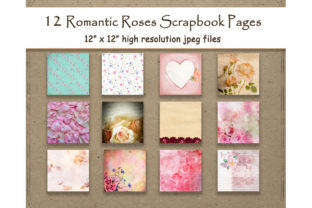
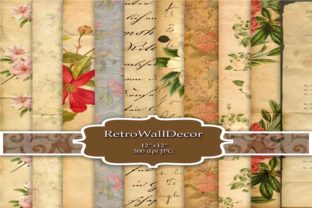
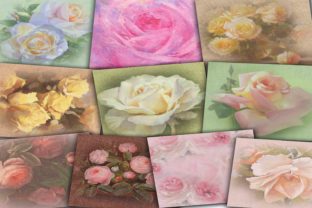
The collection typically comprises 10 high-quality, 300 DPI files at 12x12 inches (3600x3600 px). Understanding these technical specifications is crucial for decision-makers. The resolution ensures viability across both digital screens and physical print media, while the square format aligns with industry standards for scrapbooking, social media templates, and product packaging. However, the true value lies not in the pixel count, but in how these vintage roses and shabby chic textures support broader business and creative objectives.
Aligning Aesthetic Choices with Brand Positioning
Before integrating floral digital background paper into a workflow, professionals must assess whether the visual language supports their current positioning. Victorian aesthetics are inherently tied to concepts of nostalgia, craftsmanship, patience, and organic beauty. If your brand narrative centers on futuristic technology, rapid disruption, or sterile efficiency, this asset class may create cognitive dissonance for your audience.
Conversely, for businesses in the following sectors, Victorian Rose Digital Paper acts as a visual shorthand for quality:
- Heritage Brands: Communicates longevity and tradition without requiring expensive custom photography.
- Wellness and Self-Care: The soft, muted tones of shabby chic roses evoke calm and restoration, supporting products like journals, teas, or spa services.
- Educational Resources: Provides a non-distracting, textured background for worksheets or certificates that feels premium rather than utilitarian.
- Artisanal E-commerce: Enhances product photography overlays and thank-you cards, reinforcing the handmade nature of the goods.
Strategic use requires consistency. Using these papers sporadically can dilute brand recognition. Instead, incorporate them as part of a cohesive visual system where the texture supports the typography and color palette rather than competing with it.
Operational Efficiency and Workflow Optimization
For freelancers and small business owners, time is a finite resource. Creating seamless, high-resolution floral textures from scratch requires significant illustration time and rendering power. Utilizing pre-made digital scrapbook decoupage paper is an operational decision that reallocates resources from asset creation to asset application.
The 3600x3600 px specification is particularly relevant for productivity. At 300 DPI, this resolution allows for full-bleed printing on standard 12x12 cardstock without upscaling artifacts. Simultaneously, it provides ample headroom for cropping when designing smaller formats like Instagram posts or web banners. This versatility means a single purchase covers multiple deliverables, reducing the need to manage disparate file versions.
When planning a campaign or product launch, consider batching designs using these backgrounds. Because the Victorian rose motif is stylistically consistent across the set, you can produce a suite of matching assets—social media graphics, email headers, and printable inserts—in a fraction of the time it would take to source individual images. This cohesion improves the customer experience by creating a unified touchpoint journey.
Technical Considerations for Print and Digital Integrity
A common failure point in using digital paper is neglecting the technical requirements of the final medium. While JPEG is a universally compatible format, it requires mindful handling to maintain the integrity of intricate rose details.
Managing Compression and Color Profiles
Digital scrapbook decoupage paper relies on subtle gradients and texture to achieve its vintage look. Excessive compression during export can introduce banding or blocky artifacts that ruin the illusion of aged paper. Always work with the original 300 DPI source files in your design software. Only compress upon final export, and do so conservatively.
Furthermore, understand the color space implications. These files are likely RGB, optimized for screen vibrancy. If your primary goal is physical printing (e.g., wedding invitations or product packaging), you must convert to CMYK or verify the printer’s color profile requirements. Vintage roses often contain complex pinks and greens that shift significantly between color spaces. Proofing is not optional; it is a necessary step to ensure the shabby chic aesthetic translates accurately to ink.
Layering and Hierarchy
High-detail backgrounds can sometimes overwhelm foreground content. Strategic designers treat Victorian Rose Digital Paper as a mid-ground element. Use blending modes, opacity masks, or solid color overlays to push the pattern back visually. The goal is to provide context and texture without sacrificing readability. If text becomes difficult to parse against the floral motifs, the design has failed its functional purpose regardless of its artistic merit.
Risk Mitigation: Avoiding Generic Outcomes
The accessibility of digital paper introduces a specific risk: homogeneity. Because these assets are available to many creators, there is a danger of producing work that looks identical to competitors. To mitigate this, approach the assets as raw materials rather than finished solutions.
Avoid using the paper as a flat, unaltered background. Instead, employ techniques that make the asset unique to your project:
- Selective Masking: Extract individual roses or clusters to create custom borders or focal points, rather than using the full 12x12 sheet.
- Color Grading: Apply duotones or gradient maps to shift the vintage roses toward your specific brand colors. This maintains the texture while ensuring proprietary visual identity.
- Texture Blending: Combine the floral paper with grain, paper tear, or light leak overlays to break up the digital perfection and add tactile realism.
- Typographic Integration: Let the text interact with the flowers through clipping masks or interlacing, creating depth that flat backgrounds cannot achieve.
By manipulating the source material, you transform a commodity asset into a bespoke design element. This intentionality protects your brand from appearing generic and demonstrates a higher level of creative stewardship.
Evaluating Long-Term Value and Licensing
When acquiring Victorian Rose Digital Paper, decision-makers should look beyond the immediate project. Evaluate the license terms carefully. Some licenses restrict commercial use, limit the number of end products, or prohibit use in templates intended for resale. For entrepreneurs building scalable product lines (such as digital planners or print-on-demand merchandise), securing appropriate commercial rights upfront prevents costly legal pivots later.
Additionally, consider the shelf life of the aesthetic. While "vintage" implies timelessness, specific interpretations of shabby chic trend cyclically. Investing in high-quality, classic representations of Victorian roses offers better long-term ROI than trendy, stylized variations that may date quickly. Classic botanical accuracy tends to remain relevant across decades, making the asset library a sustainable resource for future campaigns.
Practical Application Scenarios
To ground this strategy in reality, consider how different professionals might leverage these 10 JPEG files effectively:
The Wedding Stationer: Uses the papers as base layers for invitation suites. The 12x12 size matches standard album page dimensions, allowing for seamless coordination between invitations, programs, and thank-you notes. The high DPI ensures crisp embossing guides.
The Digital Product Creator: Incorporates the textures into GoodNotes planner covers or KDP book interiors. The vintage aesthetic justifies a higher price point by signaling "premium" to buyers browsing thumbnail previews.
The Content Marketer: Uses the paper to create quote cards or blog feature images for a history or literature niche. The visual style immediately qualifies the content for the target demographic before they read a single word.
In each case, the Victorian Rose Digital Paper is not the end product; it is a lever that amplifies the effectiveness of the primary offering. Success comes from viewing these files through the lens of utility, audience expectation, and brand coherence. When selected and applied with this level of strategic thought, digital paper transcends its role as simple clip art and becomes a foundational component of professional creative operations.