Evaluating Leaf Pattern Soft Green for Design Projects
Selecting the appropriate visual asset is a critical step in any creative workflow, whether for digital interfaces, textile manufacturing, or interior styling. The Leaf Pattern Soft Green aesthetic represents a specific intersection of organic inspiration and structured graphic design. It combines the calming psychological effects of green color theory with the technical utility of seamless vector art. For designers, decorators, and product developers, understanding the functional applications and limitations of this style is essential for making informed procurement and implementation decisions.
Defining the Aesthetic and Technical Composition
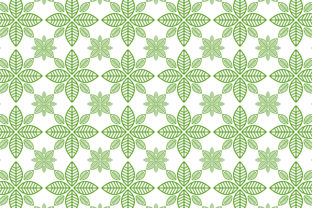
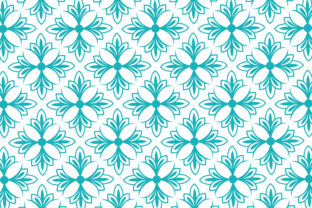
At its core, a Leaf Pattern Soft Green design is characterized by a muted, desaturated color palette that evokes natural foliage without the high contrast of deep jungle greens. This style typically integrates geometric leaf ornament elements with fluid, organic shapes to create a balanced composition. Unlike photorealistic botanical illustrations, these designs often lean toward an abstract floral pattern or stylized representation. This abstraction allows the motif to function as a versatile texture rather than a dominant focal point.
Technically, these assets are frequently delivered as vector files. This format is significant for evaluation because it ensures infinite scalability without pixelation. Whether applied to a small business card or a large-scale wall mural, the lines remain crisp. The seamless nature of the pattern is another defining technical feature, allowing for continuous tiling across fabrics, wrapping paper, or web backgrounds without visible breaks. When evaluating a specific asset, verifying true seamlessness and clean vector paths is necessary to avoid post-production repair work.
Strategic Applications and Use Cases
The versatility of soft green botanical graphics makes them suitable for diverse industries. However, their effectiveness depends heavily on context. Understanding where this style performs best helps align design choices with project goals.
Interior Decor and Spatial Design
In interior environments, soft green patterns serve as a biophilic bridge, bringing elements of nature into built spaces without requiring live plants. This style is particularly effective in wellness centers, spas, and residential bedrooms where a tranquil atmosphere is paramount. As a wallpaper or wall covering, the low-saturation tones prevent visual fatigue, making it superior to high-contrast tropical prints for rooms intended for relaxation. The decorative quality adds depth to flat surfaces while maintaining a sense of openness and light.
Textile and Fashion Development
For fashion and home textiles, the seamless repeat is non-negotiable. Soft green leaf motifs translate exceptionally well to linen, cotton, and silk due to their association with freshness and spring. Designers often select this palette for resort wear or summer collections that require a tropical feel without the intensity of neon colors. When used in fabric printing, the vector format ensures that intricate details, such as fine veins in a palm frond or delicate hibiscus stamens, reproduce accurately at various scales.
Digital and Graphic Media
In digital design, a green and white vector background provides sufficient contrast for overlaid text while remaining visually engaging. This makes it a practical choice for website headers, social media templates, and packaging design. The graphic modern pattern style avoids the dated look associated with traditional florals, appealing to contemporary audiences seeking beautiful yet minimalist aesthetics. For branding projects related to sustainability, organic products, or eco-tourism, this visual language communicates values instantly through color and form association.
Benefits and Practical Advantages
Choosing a Leaf Pattern Soft Green asset offers several tangible benefits that extend beyond mere aesthetics:
- Psychological Neutrality: Soft green sits in the center of the visible spectrum, making it the most restful color for the human eye. This reduces cognitive load in user interface design and creates comfort in physical spaces.
- Scalability and Adaptability: Vector-based illustration files allow designers to adjust scale, color, and density without losing quality. A single asset can be adapted for both a textile print and a mobile app icon.
- Timelessness: While specific color trends fluctuate, botanical motifs and natural greens possess enduring appeal. Investments in high-quality art assets of this nature tend to have longer usable lifespans than trend-driven abstracts.
- Cross-Cultural Appeal: Nature-inspired decoration transcends cultural barriers. Whether evoking a Hawaii vacation or a temperate garden, the imagery is universally understood and generally positive.
Tradeoffs and Considerations
Despite its versatility, this design style is not universally optimal. Evaluators must weigh potential drawbacks against project requirements.
Color Calibration Challenges: "Soft green" is subjective and highly dependent on output medium. A hue that appears serene on a calibrated monitor may print as muddy or yellowish on uncoated paper or natural fabric. Physical proofing is essential when using these patterns for wrapping or upholstery to ensure the color meets expectations.
Risk of Generic Appearance: Because botanical vectors are widely available, there is a risk of selecting assets that look generic or overused. To maintain a unique brand identity, designers may need to customize stock assets by altering colors, combining multiple element layers, or integrating custom typography.
Complexity vs. Minimalism: Some exotic or jungle inspired patterns can become visually noisy if the density of leaves and flowers is too high. In applications requiring significant negative space for text or UI components, a dense foliage pattern may require masking or opacity reduction, which can alter the intended aesthetic.
Comparing Alternatives
When evaluating Leaf Pattern Soft Green, it is helpful to compare it against adjacent styles to confirm suitability.
- Versus Deep Tropical/Jungle Prints: If the goal is high-energy, vibrant summer marketing or nightlife decor, soft green may be too passive. Deep emeralds and bright teals offer more drama and saturation for bold statements.
- Versus Photorealistic Botanicals: If scientific accuracy or hyper-realism is required (e.g., for educational materials or luxury perfume packaging), stylized vector art may lack the necessary detail and texture. Photography or raster drawing techniques would be superior alternatives.
- Versus Pure Geometric Patterns: If the design brief calls for strict order, technology, or corporate rigidity, organic leaf shapes may introduce unwanted softness. Hard-edged geometric ornament patterns convey structure more effectively than natural forms.
- Versus Blue/Water Themes: While blue also conveys calm, it lacks the direct association with growth and vitality inherent in green. For health, wellness, or eco-centric projects, green remains the semantically correct choice over aquatic palettes.
Decision-Making Framework for Selection
To determine if a Leaf Pattern Soft Green asset aligns with specific needs, consider the following evaluation criteria:
- End-Use Environment: Will the pattern be viewed from a distance (wallpaper) or up close (fabric/phone screen)? Distance viewing tolerates higher complexity; close viewing requires cleaner lines and softer contrasts.
- Technical Specifications: Does the file format support the intended production method? Ensure the vector nodes are clean for cutting plotters or that the resolution is sufficient for large-format print.
- Brand Alignment: Does the specific shade of green match existing brand guidelines? "Soft green" encompasses sage, mint, celadon, and olive. Selecting the wrong undertone can clash with established visual identities.
- Licensing and Exclusivity: For commercial fashion or mass-market decor, verify licensing terms. Exclusive rights may be necessary to prevent competitors from using identical paradise or plant motifs.
Ultimately, the Leaf Pattern Soft Green style offers a sophisticated balance of nature and design. It serves as a reliable foundation for projects requiring tranquility, organic association, and technical flexibility. By carefully evaluating the specific tonal qualities, technical formats, and contextual fit, creatives can leverage this aesthetic to produce work that is both visually beautiful and functionally robust. Whether creating a serene beach house interior or a sustainable clothing line, the success lies in matching the subtlety of the pattern to the intent of the project.