Pattern a Orange: Geometric Vector Texture Guide
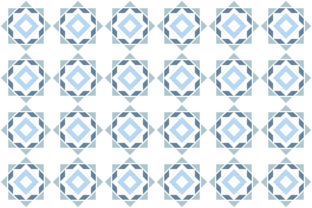
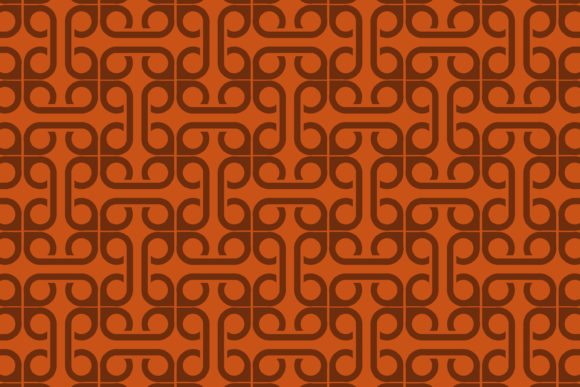
When searching for the perfect visual foundation for a new project, Pattern a Orange offers a distinct solution that balances warmth with structural precision. This brand-new rectangular template is more than just a simple background; it is a versatile geometric sample designed to bring order and vibrancy to digital and print media. At its core, this design features a repeating theme with rectangular shapes that create a seamless texture for your design work. Unlike chaotic or overly complex visuals, this orange vector pattern provides a clean, organized aesthetic that remains visually engaging without overwhelming the primary content.
The appeal of this specific illustration lies in its ability to bridge multiple stylistic gaps. While the dominant hue is a vibrant orange, the underlying structure allows it to function within various aesthetic categories. It carries the mathematical precision often associated with Islamic art and arabesque motifs, yet it possesses the bold simplicity required for modern retro or vintage projects. For designers and creators, this means you are not locked into a single genre. The geometric nature of the template makes it adaptable enough to serve as an elegant backdrop for luxury branding or a playful element in bohemian fashion layouts.
Versatile Applications Across Creative Disciplines
Understanding where to apply this texture is just as important as understanding what it is. Because Pattern a Orange is built on a repeating rectangular grid, it scales exceptionally well across different mediums. Professionals and hobbyists alike can leverage this asset to solve specific visual problems in both commercial and personal contexts.
- Digital Interfaces and Web Design: Use the vector pattern as a subtle banner header or a section divider. The geometric repetition guides the eye horizontally, making it ideal for website backgrounds where readability is paramount.
- Textile and Fashion Design: The seamless tile quality makes this perfect for fabric printing. Whether creating cloth for yoga apparel, ethnic-inspired rugs, or ornamental curtains, the rectangular motif translates beautifully to physical materials.
- Packaging and Branding: For products requiring a touch of oriental or Turkish flair without using traditional clichés, this abstract texture adds sophistication to boxes, labels, and shopping bags.
- Interior Decoration: Apply the design as digital wallpaper or print it for custom tile work. The warm tones complement baroque furniture and Persian decor elements while maintaining a contemporary edge.
For educators and content creators, this pattern serves as an excellent slide background or worksheet border. The structured geometry helps organize information visually, while the orange color palette stimulates engagement and creativity. It avoids the distraction of busy floral or paisley designs, ensuring that text overlays remain legible and professional.
Bridging Cultural Aesthetics with Modern Geometry
One of the most unique aspects of Pattern a Orange is how it synthesizes diverse cultural influences into a cohesive modern form. While it is fundamentally a geometric sample, it resonates with audiences familiar with classic decorative arts. The rectangular repetition echoes the disciplined tiling found in Moroccan architecture and Ottoman textiles. However, because it is rendered as a clean vector, it avoids looking dated or strictly historical.
This duality allows the design to fit seamlessly into projects that require an ethnic or orient-inspired look but demand modern execution. For instance, a spa focusing on holistic wellness might use this texture to evoke the feeling of a mandala or henna art through abstraction rather than literal representation. Similarly, a high-end restaurant featuring Chinese or Aztec fusion cuisine could utilize the pattern on menus or placemats to suggest cultural depth through color and shape rather than stereotypical iconography.
The connection to damask and Victorian ornamentation is also present in the density of the repeat. Just as those classic styles rely on rhythm and balance, this orange vector pattern uses spacing and alignment to create a sense of luxury. It captures the essence of a medallion or floral arrangement through pure geometry, making it a smarter choice for brands that want to imply tradition without being bound by it.
Technical Considerations for Seamless Integration
Before incorporating Pattern a Orange into your workflow, there are several practical factors to consider to ensure the best possible outcome. As a vector-based asset, it offers infinite scalability, but proper implementation requires attention to detail regarding color management and composition.
Color Harmony and Contrast
While the primary color is orange, successful application depends on what surrounds it. Orange is a high-energy color that pairs naturally with deep blues, teals, and charcoal grays for a retro or mid-century modern vibe. For a more elegant or luxury feel, combine the pattern with gold foil accents or cream whites. If your project involves red tones, be cautious; orange and red can clash unless separated by neutral buffers. Always test the texture against your specific color palette at full size before finalizing production files.
Scale and Repetition Management
The "repeating theme with rectangular shapes" is designed to be seamless, but scale changes the perception of the pattern entirely. At 100% scale, the geometric sample feels intricate and ornamental, suitable for detailed illustration work or small-scale fabric. When scaled up significantly, the individual rectangles become bold architectural blocks, transforming the texture into an abstract statement piece for large-format printing like banners or wall murals. Conversely, scaling it down creates a dense, almost solid color effect that works well as a subtle paper texture or book cover background.
File Format and Editability
Ensure you are working with the true vector format (such as AI, EPS, or SVG) rather than a rasterized image. This preserves the crisp edges of the rectangular shapes and allows you to modify the color values directly. Being able to shift the hue from bright orange to a muted terracotta or a deep rust enables you to adapt the same base design for seasonal campaigns or varied product lines without losing the original geometric integrity.
Enhancing Visual Storytelling Through Texture
Ultimately, choosing Pattern a Orange is about adding narrative depth to your visual communication. Texture prevents flat design from feeling sterile. In an era of minimalist interfaces and clean typography, introducing a structured, ornamental layer grounds the viewer and adds tactile interest. This is particularly valuable for freelance designers and small business owners who need their materials to feel bespoke and handcrafted rather than generic.
Whether you are designing a bohemian wedding invitation, a corporate annual report with a creative twist, or a line of decorative porcelain, this pattern provides a reliable foundation. It respects the history of decorative arts—from tribal weaving to classic damask—while offering the flexibility demanded by contemporary digital tools. By understanding its characteristics and applying it with intention, you transform a simple geometric sample into a powerful storytelling device that elevates the perceived value of your work.