Islamic Pattern Floor Light Blue Design Guide
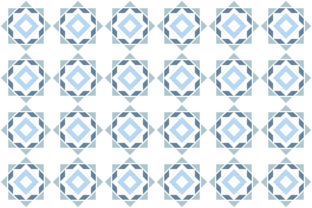
The intersection of traditional artistry and modern digital application finds a unique expression in the Islamic Pattern Floor Light Blue aesthetic. This specific visual style combines the mathematical precision of historical geometry with a soft, contemporary color palette. Unlike the heavy golds and deep crimsons often associated with classical Persian motifs, this light blue variation introduces a sense of airiness and modern tranquility. It serves as a versatile bridge between cultural heritage and current interior or graphic design trends, making it relevant for a wide spectrum of users ranging from home decorators to professional vector artists.
Defining the Aesthetic and Visual Texture
At its core, this design style relies on the seamless repetition of geometric circular ornaments and arabesque lines. The "light blue" descriptor is not merely about hue; it dictates the emotional weight of the pattern. When applied as a floor texture or wall background, this color evokes feelings of water, ice, and winter calmness. It transforms what could be an overwhelming, dense geometrical arrangement into something breathable and spacious. The inclusion of white space within the vector lines ensures that the pattern remains decorative without becoming visually chaotic.
For those evaluating this style, understanding the balance between complexity and lightness is crucial. A successful Islamic pattern in this palette maintains the integrity of the star and floral shapes while allowing the background to provide relief. This duality makes it exceptionally useful for projects requiring a retro yet fresh feel, distinguishing it from darker, more traditional interpretations.
Perspectives for Creators and Digital Artists
Graphic designers and illustrators approach the Islamic Pattern Floor Light Blue concept primarily through the lens of technical flexibility and asset utility. For these professionals, the value lies in the vector format. Vectors allow for infinite scaling without loss of quality, which is essential when adapting a single ornament element for vastly different outputs, such as a small web icon or a large-format billboard.
- Seamless Integration: Professionals prioritize patterns that tile perfectly. A seamless light blue texture saves hours of manual editing when creating wallpapers or packaging backgrounds.
- Color Customization: While the base is light blue, vector files allow creators to quickly adjust grey values or swap accents to black or gold to match specific brand guidelines.
- Layer Management: High-quality assets separate the geometric line work from the background fill, enabling designers to apply the arabesque overlay onto photos or other textures.
Experienced users also evaluate these designs based on their commercial viability. A well-crafted geometric circular ornament can serve as a foundational element for Ramadan greeting cards, Eid marketing materials, or even secular winter holiday content. The abstract nature of the snowflake-like geometry allows it to cross cultural boundaries, functioning equally well as Islamic art or as a generic festive decoration depending on the context and accompanying typography.
Practical Applications for Interior Design and Architecture
For interior designers, architects, and homeowners, the focus shifts from file manipulation to spatial impact. The Islamic Pattern Floor Light Blue aesthetic is increasingly popular for creating serene environments. In physical spaces, this pattern is often realized through ceramic tiles, printed vinyl flooring, or textured wallpaper. The light blue tone reflects natural light effectively, enhancing the perception of space in smaller rooms or hallways.
This audience prioritizes material quality and psychological effect over digital editability. They are looking for patterns that evoke a sense of cleanliness and order. The connection to water and ice makes this specific colorway ideal for bathrooms, spas, or meditation areas where a cooling, calming atmosphere is desired. Conversely, using this pattern in a living area can introduce a sophisticated, artistic focal point that feels rooted in tradition but adapted for modern minimalism.
When selecting this design for interiors, consider the scale of the repeat. Large-scale stars and flowers make bold statements suitable for feature walls or entryway floors. Smaller, tighter geometric repeats work better as subtle textures that add depth without dominating the room’s overall color scheme. The interplay of light and shadow on a textured surface further enhances the three-dimensional quality of the arabesque lines.
Educational Value and Cultural Appreciation
Educators, students, and hobbyists engage with these patterns from a perspective of learning and cultural exploration. The Islamic Pattern Floor Light Blue serves as an accessible entry point into the complex world of geometric construction. Because the light blue and white contrast provides high visibility, it is easier for beginners to trace and understand the underlying grid systems compared to multi-colored or low-contrast traditional designs.
For this group, the priority is accuracy and historical context. Understanding that these shapes are not merely decorative but represent mathematical concepts and spiritual symbolism adds depth to the creative process. Educators might use these vectors to teach symmetry, tessellation, and cultural history simultaneously. Hobbyists interested in retro art or digital scrapbooking appreciate the pattern's ability to blend vintage aesthetics with clean, modern lines, allowing them to create projects that feel both nostalgic and current.
Evaluating Suitability for Your Specific Needs
Determining whether this specific design style aligns with your goals requires honest assessment of your project's intent. The versatility of the Islamic Pattern Floor Light Blue means it can succeed in many contexts, but it is not a universal solution.
For Commercial and Marketing Projects
If you are designing for Ramadan, Eid, or cultural events, this palette offers a respectful yet modern alternative to standard green and gold themes. It signals inclusivity and freshness. However, ensure the geometric accuracy respects the tradition; distorted stars or broken lines can detract from the professional quality and cultural sensitivity of the piece. The light blue tone also pairs exceptionally well with silver and white typography for elegant, high-end invitations or product packaging.
For Seasonal and Thematic Decor
The overlap between Islamic geometric stars and stylized snowflakes makes this pattern uniquely suited for winter and Christmas themes. If your goal is to create inclusive seasonal decor that acknowledges diverse traditions while maintaining a festive, icy aesthetic, this design is highly effective. It avoids religious specificity while retaining the beauty of sacred geometry, making it appropriate for public spaces, schools, and multicultural workplaces.
For Personal Creative Exploration
Beginners and hobbyists should look for resources that offer both the final vector art and, if possible, tutorials on the construction method. The learning value is immense. Starting with a light blue template reduces the intimidation factor of complex arabesques. Focus on how the negative space (the white or light areas) defines the positive shapes just as much as the lines do. This understanding of figure-ground relationship is fundamental to all decorative art.
Technical Considerations for Implementation
Regardless of your role, certain technical factors will influence the success of using these patterns. Resolution and format matter immensely. For digital wallpapers and web backgrounds, optimized SVG or high-resolution PNG files ensure crisp edges on all screens. For print and physical manufacturing, CMYK color profiles and vector paths are non-negotiable to prevent the light blue from shifting unexpectedly during production.
Additionally, consider the density of the ornamentation. A pattern described as "seamless" must be tested at various scales. What looks balanced as a 10-inch tile may appear too sparse or too cluttered when scaled to a 4-foot wall panel. Always mock up the design in the intended environment before finalizing. The interaction between the pattern and surrounding elements—furniture, text, lighting—will ultimately determine whether the Islamic Pattern Floor Light Blue enhances the space or competes with it.
Ultimately, this design style offers a rich vocabulary of shape, line, and color that transcends simple categorization. Whether utilized for its spiritual resonance, its mathematical elegance, or its sheer decorative beauty, the light blue Islamic pattern remains a timeless resource. By understanding the distinct priorities of creators, designers, educators, and consumers, you can leverage this aesthetic to produce work that is not only visually stunning but also deeply meaningful and functionally sound.