Evaluating Hand Drawn Textured Flowers Pattern for Design Projects
Selecting the right surface pattern is a critical decision in both digital and physical product design. The Hand Drawn Textured Flowers Pattern represents a specific category of visual assets that prioritize organic imperfection over digital precision. This illustrated floral pattern, created from hand-drawn designs, offers a distinct aesthetic characterized by visible brush strokes, paper grain, and artistic irregularities. For designers, crafters, and product developers evaluating their options, understanding the functional and aesthetic implications of this style is essential. This analysis explores where this textured approach adds value, where it may present challenges, and how to determine if it aligns with specific project goals.
Defining the Aesthetic and Technical Characteristics
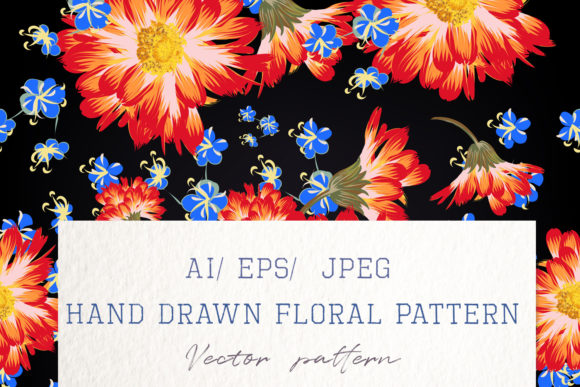
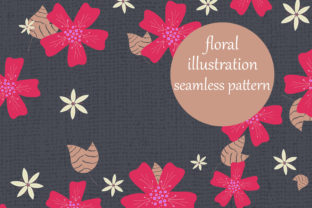
To evaluate the Hand Drawn Textured Flowers Pattern effectively, one must first distinguish it from standard vector florals or photorealistic botanical illustrations. This asset class is defined by its tactile quality. The "texture" refers not just to the visual representation of petals and leaves, but to the inclusion of media artifacts such as charcoal grit, watercolor bleed, pencil lines, or canvas weave. These elements are baked into the raster image or high-resolution scan, creating a sense of depth and materiality.
Unlike clean vector graphics which are mathematically perfect and infinitely scalable, hand-drawn patterns possess a fixed resolution and inherent noise. This distinction is vital for technical planning. The artwork carries the weight of traditional media, suggesting human intervention and craftsmanship. When evaluating this pattern, consider that the texture serves as a unifying element; it binds disparate floral motifs together through a consistent application of artistic medium, creating a cohesive repeat that feels curated rather than generated.
Strategic Benefits of Organic Imperfection
The primary reason professionals select an illustrated floral pattern made from hand-drawn designs is to counteract digital sterility. In an era dominated by AI-generated imagery and sleek minimalism, textured florals offer several strategic advantages:
- Emotional Resonance: The visible evidence of the artist’s hand creates an immediate psychological connection. Viewers often perceive these patterns as warmer, more nostalgic, and more authentic than polished digital alternatives.
- Visual Depth in Print: For packaging, stationery, and textile printing, the texture mimics physical substrates. A hand-drawn textured flower printed on matte paper enhances the tactile experience, making the final product feel premium and artisanal.
- Forgiving Repetition: In seamless pattern design, obvious repetition can look mechanical. The organic variations in hand-drawn textures help mask the tile boundaries, making the repeat less detectable to the casual observer.
- Brand Differentiation: For brands positioning themselves as sustainable, handmade, or boutique, this aesthetic acts as a visual shorthand for those values without requiring explicit textual explanation.
Tradeoffs and Technical Considerations
While aesthetically pleasing, the Hand Drawn Textured Flowers Pattern introduces specific constraints that must be weighed against project requirements. Objective evaluation requires acknowledging these limitations:
Scalability and Resolution Limits
Because these patterns are typically raster-based scans of physical artwork, they have a maximum usable size. Enlarging them beyond their native resolution results in pixelation or blurriness that degrades the very texture that defines them. If a project requires application across vastly different scales—from a business card to a billboard—a single hand-drawn file may be insufficient. Vector alternatives or modular high-res assets might be necessary for multi-scale campaigns.
File Size and Performance
High-fidelity textures require significant data. Detailed scans at 300 DPI or higher result in large file sizes. For web design or app interfaces, using a full-resolution textured pattern can negatively impact load times and Core Web Vitals. Evaluators must plan for optimization strategies, such as aggressive compression, CSS tiling of smaller swatches, or serving alternative formats like WebP, which may alter the subtle grain details.
Editability and Flexibility
Modifying hand-drawn art is more complex than editing vectors. Changing the color of a specific petal or removing a stray mark requires pixel-level manipulation rather than simple path adjustments. While this pattern is available in other color options, customizing it to match a precise brand Pantone may require advanced retouching skills. Teams without dedicated illustration support should verify that pre-made colorways meet their needs before licensing.
Situational Fit: When to Choose Textured Florals
Determining whether this asset is the correct choice depends heavily on the end-use context. The Hand Drawn Textured Flowers Pattern is particularly strong in scenarios where the medium supports or enhances the texture.
Ideal Applications:
- Paper Goods and Packaging: Wedding invitations, greeting cards, and artisanal food labels benefit immensely from the interplay between ink texture and paper stock.
- Fashion and Textiles: Garments, scarves, and home textiles rely on surface interest. The texture translates well to fabric printing techniques like screen printing or digital textile printing.
- Editorial and Book Design: Covers and interior spreads for poetry, fiction, or lifestyle publications utilize this style to set a contemplative or romantic tone.
- Craft and DIY Markets: Digital papers, planner stickers, and scrapbooking assets cater to an audience specifically seeking non-corporate aesthetics.
When Alternatives Are Preferable
Conversely, there are situations where an illustrated floral pattern made from hand-drawn designs may hinder rather than help. Recognizing these scenarios prevents costly misalignment.
Consider Alternatives When:
- Corporate Identity Demands Precision: Tech companies, financial institutions, or medical brands often require clean, geometric, or highly legible visuals. Texture can be perceived as messy or unprofessional in these contexts.
- Small-Scale UI Elements: Icons, buttons, or mobile navigation bars lack the real estate to display texture meaningfully. At small sizes, grain becomes visual noise that reduces accessibility and clarity.
- Frequent Iteration is Required: If the design system demands weekly color updates or motif swaps, the labor intensity of editing raster textures may create bottlenecks. Parametric or vector-based systems offer greater agility.
- Budget Constraints Are Tight: Custom hand-drawn work commands higher fees due to creation time. Stock vectors or AI-generated florals (with proper disclosure and quality checks) may serve low-budget projects adequately.
Practical Decision-Making Framework
For those still weighing options, apply the following evaluation criteria to the Hand Drawn Textured Flowers Pattern under consideration:
- Audit the Source Quality: Zoom in to 100%. Is the texture crisp or muddy? Are the edges of the floral elements clean enough for your intended use, or do they blend too much into the background?
- Test Color Variations: Since this pattern is available in other color options, request or preview swatches in your actual layout. Colors shift differently on textured backgrounds compared to flat colors; ensure contrast ratios remain accessible.
- Verify Licensing Scope: Hand-drawn assets often have specific licensing tiers for commercial vs. personal use, especially for print-on-demand products. Confirm the license covers your distribution volume and modification rights.
- Prototype in Context: Never evaluate the pattern in isolation. Place it within the mockup of the final product. Does the texture compete with typography? Does it overwhelm adjacent photography? Contextual testing reveals integration issues that standalone viewing misses.
Ultimately, the decision to utilize a Hand Drawn Textured Flowers Pattern should be driven by the desired emotional outcome and technical feasibility. It is a specialized tool best suited for projects valuing warmth, tactility, and artistic expression over scalability and rapid iteration. By carefully assessing the tradeoffs against project constraints, designers can leverage this illustrated floral pattern to create work that feels genuinely crafted and distinctly human.