Origami Folded Flowers Pattern: Integrating Geometric Floral Design into Creative Projects
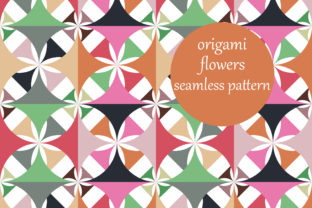
The intersection of traditional paper craft and modern digital design has given rise to a unique aesthetic that captivates both designers and hobbyists. The Origami Folded Flowers Pattern represents this fusion perfectly, offering a seamless repeat pattern loosely inspired by the ancient art of paper folding. Unlike flat, two-dimensional floral prints, this design utilizes folded and layered shapes to create a detailed and colorful floral pattern that mimics the tactile depth of real origami. For adults seeking to elevate their creative projects, understanding how to leverage this specific visual style can transform ordinary surfaces into sophisticated, textured experiences.
Understanding the Aesthetic of Folded Geometry
At its core, the Origami Folded Flowers Pattern is a study in simulated dimension. While traditional floral patterns often rely on line work or painterly gradients to suggest form, this pattern uses geometric precision to imply volume. The "folded" aspect is not merely a stylistic choice but a structural element of the design. Each petal and leaf appears to have been creased and tucked, creating shadows and highlights that guide the eye across the surface. This seamless repeat capability ensures that the intricate interplay of layers continues indefinitely without visible breaks, making it an ideal solution for large-scale applications where visual continuity is paramount.
The complexity of this pattern addresses a common challenge in surface design: balancing detail with readability. Highly detailed patterns can sometimes appear chaotic or muddy when scaled up or down. However, because the Origami Folded Flowers Pattern is rooted in geometric logic, it maintains its integrity across various resolutions. The distinct edges of the folded shapes provide necessary contrast, while the layered composition adds richness without sacrificing clarity. This makes it particularly useful for professionals who need versatile assets that perform well in both digital and print environments.
Solving Design Challenges with Layered Textures
Many creators struggle with finding floral motifs that feel contemporary rather than nostalgic or overly rustic. Traditional botanical illustrations are beautiful but can sometimes clash with modern minimalist interiors or sleek product packaging. The Origami Folded Flowers Pattern offers a practical solution by abstracting natural forms into structured geometry. It retains the organic warmth associated with flowers while introducing a clean, architectural quality that aligns with current design trends.
Furthermore, the availability of multiple color options significantly enhances the utility of this pattern. Color is often the primary variable in design adaptation, and having access to varied palettes allows users to match specific brand guidelines or seasonal themes without altering the underlying structure. For instance, a muted, earthy tone variation might be perfect for sustainable packaging, while a vibrant, high-contrast version could serve as the focal point for a festival poster. This flexibility reduces the need for extensive customization, saving time and resources for designers working under tight deadlines.
Practical Applications Across Mediums
The versatility of the Origami Folded Flowers Pattern extends far beyond digital screens. Its seamless nature and simulated texture make it exceptionally suitable for physical products where tactile perception matters. In textile design, the pattern’s suggestion of folds translates beautifully to fabric, guiding embroidery placement or printing techniques that enhance the actual texture of the material. Quilters and sewists often find that geometric florals provide a modern alternative to classic calico prints, allowing for quilts that feel fresh and architecturally sound.
In the realm of stationery and paper goods, this pattern is a natural fit. The visual language of origami resonates deeply with audiences who appreciate craftsmanship. Using this pattern for wedding invitations, gift wrap, or journal covers creates an immediate association with care and precision. Because the design already implies a three-dimensional quality, it pairs exceptionally well with embossing or foil stamping. The printed folds act as a guide for physical finishing processes, resulting in a final product where the digital and physical elements reinforce one another.
For interior decorators and DIY enthusiasts, the pattern serves as an excellent tool for accent features. Wallpaper is perhaps the most obvious application, where the seamless repeat creates an immersive environment. However, it is equally effective in smaller doses, such as lining drawers, covering storage boxes, or creating decorative panels. The layered shapes add visual interest to functional items, turning mundane organization into an opportunity for aesthetic expression. The key to successful implementation in these contexts is scale; ensuring the size of the folded flowers complements rather than overwhelms the object being decorated.
Tailoring the Pattern to Different User Needs
Different users approach the Origami Folded Flowers Pattern with distinct goals, and understanding these nuances is essential for maximizing its potential. Graphic designers typically prioritize technical specifications. For this group, the seamless tiling and vector-based cleanliness are the primary selling points. They require a pattern that can be manipulated, recolored, and integrated into complex layouts without degradation. When using this pattern, designers should focus on how the geometric lines interact with typography, ensuring that the intricate folds do not compete with essential text information.
Crafters and makers, conversely, are often more interested in the emotional resonance and inspirational quality of the design. For them, the Origami Folded Flowers Pattern is not just a background asset but a prompt for creation. A quilter might use the pattern as a direct template for fabric piecing, translating the digital folds into actual seams. A paper crafter might use it as a reference for learning new folding techniques. These users benefit most from viewing the pattern as a bridge between digital inspiration and analog execution. They should consider how the color options influence material selection, perhaps choosing fabrics or papers that echo the specific hues of their chosen pattern variation.
Educators and workshop leaders represent another user segment that finds value in this aesthetic. The structured yet creative nature of origami-inspired designs makes them excellent teaching tools. The Origami Folded Flowers Pattern can be used to demonstrate concepts of symmetry, geometry, and color theory in a visually engaging way. Because the pattern is "loosely inspired" rather than strictly diagrammatic, it encourages interpretation and experimentation rather than rigid adherence to rules. This fosters a learning environment where students feel empowered to explore variations and develop their own unique styles.
Considerations for Successful Implementation
While the Origami Folded Flowers Pattern is highly adaptable, successful outcomes depend on thoughtful application. One critical consideration is negative space. Despite the detailed layering, effective use of this pattern requires breathing room. Overcrowding the design with additional elements can negate the elegant complexity of the folds. Users should allow the pattern to stand as a primary visual element, supporting it with solid colors or simple textures rather than competing graphics.
Color selection also demands intentionality. While the pattern comes in various options, users should evaluate how these colors interact with their specific lighting conditions or display environments. A pattern that looks vibrant on a backlit screen may appear subdued in matte print. Testing swatches in the intended environment is a recommended step before committing to large-scale production. Additionally, considering the psychological impact of the chosen palette is important; geometric florals can feel either playful or severe depending on color saturation and contrast.
Finally, respecting the origin of the aesthetic adds depth to any project. While this is a digital pattern inspired by origami, acknowledging the tradition of paper folding honors the cultural roots of the form. This mindfulness translates into better design decisions, as it encourages users to maintain the integrity of the folded illusion rather than distorting it beyond recognition. By treating the Origami Folded Flowers Pattern with the same respect one would afford a physical piece of origami, creators ensure that the final result is not only visually stunning but also culturally and aesthetically coherent.