Evaluating Watercolor Flower Scrapbook Paper Paint for Digital Projects
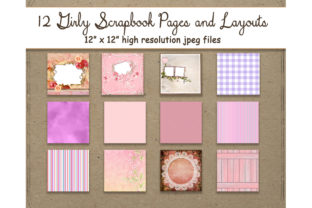
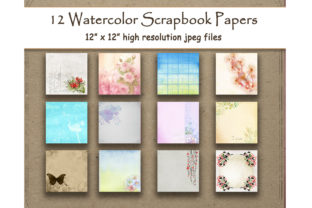
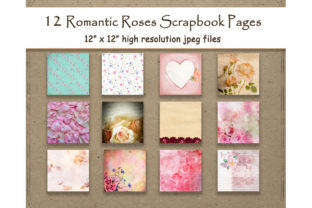
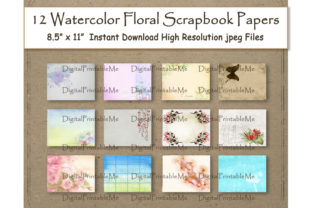
Watercolor flower scrapbook paper paint refers to a specific category of digital design assets that replicate the organic, fluid aesthetic of traditional watercolor painting within a printable format. Unlike physical art supplies, this medium exists as high-resolution digital files intended for reproduction rather than direct application. When evaluating resources like a 12-sheet digital paper pack featuring floral patterns at 8.5 x 11 inches, it is necessary to understand the distinction between the artistic style and the technical utility. These assets serve as foundational backgrounds for various creative endeavors, bridging the gap between hand-painted artistry and modern digital convenience. Understanding the characteristics, limitations, and optimal use cases of these digital papers allows creators to make informed decisions about whether they align with specific project requirements.
Defining the Digital Asset Specifications
Before acquiring watercolor flower scrapbook paper paint, one must assess the technical specifications to ensure compatibility with intended projects. A standard pack typically includes 12 unique JPEG files rendered at 300 DPI (dots per inch). This resolution is the industry benchmark for print quality, ensuring that the delicate gradients and brush strokes characteristic of watercolor do not appear pixelated when printed on standard letter-sized paper. The 8.5 x 11-inch dimension corresponds to US Letter size, making these files immediately usable for home printers without requiring scaling or cropping.
It is important to note that JPEG is a raster format. While excellent for full-page backgrounds and complex color blending, it does not support transparency or vector scaling. Users should evaluate whether their workflow requires layered editing or infinite resizing. If the goal is simply to print a background or place an image into a layout software like Canva, Photoshop, or Microsoft Word, the JPEG format is generally sufficient. However, for professional packaging design or large-format signage, the lack of vector data may be a limiting factor compared to alternative file types.
Practical Applications and Versatility
The primary value proposition of watercolor flower scrapbook paper paint lies in its versatility across different crafting disciplines. Because the designs are digital, they eliminate the drying time, material waste, and inconsistency associated with physical painting. Common applications include:
- Scrapbooking and Journaling: Providing consistent, themed backgrounds for photo layouts without the risk of ink bleeding through paper.
- Stationery Design: Serving as base layers for wedding invitations, greeting cards, and thank-you notes where a soft, romantic aesthetic is desired.
- Party Supplies: Creating custom cupcake toppers, banners, and favor tags that match a specific floral theme.
- Gift Packaging: Printing directly onto cardstock for bespoke gift wrap or tags.
- Digital Content: Using the sheets as overlays for social media graphics, blog headers, or digital planner covers.
For users engaged in mixed-media projects, these digital papers offer a predictable foundation. Physical watercolor can be unpredictable due to paper texture and water ratios; digital versions provide a controlled, repeatable result that is essential for creating cohesive sets, such as a matching suite of wedding stationery or a uniform scrapbook album.
Benefits Versus Tradeoffs
Selecting digital watercolor paper involves weighing distinct advantages against inherent limitations. Objectively assessing these factors helps determine if this product type meets specific needs.
Key Benefits
Immediate Access and Consistency: Instant download capability removes shipping delays, allowing for last-minute project completion. Furthermore, digital files guarantee identical output every time, which is critical for batch production.
Cost-Efficiency: Compared to purchasing individual sheets of premium physical watercolor paper and paints, a digital pack offers a lower cost-per-design ratio. There is no financial penalty for printing errors, as the source file remains intact.
Non-Destructive Workflow: Digital integration allows users to adjust opacity, apply filters, or combine multiple patterns without ruining the original artwork. This flexibility supports experimentation that would be too risky with expensive physical media.
Considerations and Limitations
Tactile Absence: Digital prints lack the physical texture of cold-press or hot-press watercolor paper. The visual representation of grain is present, but the tactile experience is flat. For projects where texture is paramount, additional embossing or specialty paper selection is required during printing.
Color Variance: Screen calibration differs from printer output. Colors viewed on a backlit monitor may appear more vibrant than those produced by inkjet or laser printers. Users must manage expectations regarding color accuracy and may need to perform test prints.
Licensing Restrictions: Digital assets come with specific usage terms. While personal use is typically unrestricted, commercial use often has caps on unit sales or requires extended licenses. Evaluating the license agreement is as important as evaluating the visual design.
Situational Suitability Assessment
Watercolor flower scrapbook paper paint is not a universal solution. Determining fit requires analyzing the specific context of the project.
When This Format Is a Strong Fit
This asset type is ideal for hobbyists, event planners, and small business owners who require high-volume, aesthetically consistent backgrounds with minimal setup time. It is particularly suitable for:
- Projects with tight deadlines where drying time is prohibitive.
- Budget-conscious crafting where material waste must be minimized.
- Designs requiring precise alignment or digital text integration.
- Themed collections where matching patterns are essential across multiple items.
When Alternatives Are Preferable
Alternative solutions should be considered in scenarios demanding physical authenticity or specialized technical features:
- Fine Art Sales: Collectors typically value original hand-painted works over digital reproductions.
- Large Format Printing: For posters larger than 11x17 inches, 300 DPI JPEGs may lose sharpness. Vector art or higher-resolution TIFF files are superior choices.
- Textured Mixed Media: If the project involves layering physical paint, charcoal, or embroidery over the background, actual watercolor paper provides necessary tooth and absorbency that printed cardstock cannot replicate.
- Commercial Merchandise: For products like fabric printing or ceramic transfers, specialized seamless patterns or sublimation-ready files may offer better results than standard letter-sized scrapbook paper.
Making an Informed Selection
When comparing different watercolor flower scrapbook paper paint options, look beyond the thumbnail previews. Evaluate the file organization, naming conventions, and included documentation. A well-structured pack indicates professional preparation and reduces friction during the creative process. Verify that the floral styles depicted match the intended mood; "watercolor" encompasses a wide range from loose and abstract to tight and botanical. Ensuring stylistic alignment prevents the acquisition of assets that are technically sound but aesthetically mismatched.
Ultimately, the decision to utilize digital watercolor floral papers should be driven by project constraints and desired outcomes. By understanding the technical parameters of 300 DPI JPEGs and recognizing the tradeoffs between digital convenience and physical texture, creators can effectively leverage these tools. Whether for a single handmade card or a comprehensive event branding suite, these digital backgrounds offer a practical balance of artistic beauty and functional efficiency when applied in appropriate contexts.