Flower Circle Pattern: Designing with Ditsy Floral Vectors
In the vast landscape of graphic resources, few elements possess the enduring versatility of the Flower Circle Pattern. This specific design configuration combines the organic softness of botanical illustration with the structured reliability of geometric form. When executed as a ditsy print vector texture, it becomes an essential asset for creators ranging from fashion designers to digital stationery artists. The appeal lies in its ability to function simultaneously as a focal point and a subtle backdrop, bridging the gap between vintage nostalgia and modern aesthetic requirements.
Understanding the utility of this pattern requires looking beyond its surface beauty. A well-crafted flower circle arrangement is not merely a collection of blossoms; it is a calculated interplay of negative space, color balance, and rhythmic repetition. Whether you are designing a Valentine’s Day card or sourcing textile prints for children's furniture, recognizing the technical and artistic nuances of these vectors ensures your final output resonates with professionalism and charm.
The Anatomy of Ditsy Floral Vectors
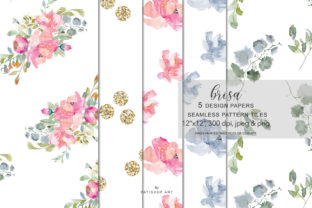
To effectively utilize a Flower Circle Pattern, one must first understand what distinguishes a "ditsy" print from standard floral motifs. In surface design terminology, ditsy refers to small-scale, scattered prints that often lack a distinct directional orientation. When applied to a circular structure, these tiny elements—often rose-colored flowers, buds, and leaves—create a dense yet airy texture. Unlike large-scale botanical paintings where every petal is defined, ditsy vectors rely on impressionistic shapes to convey the idea of bloom and blossom without overwhelming the viewer.
The vector format is critical here. Because these patterns are frequently used across different media, from high-resolution wallpaper to small-scale invitation paper, scalability is non-negotiable. Vector graphics maintain crisp edges regardless of size, ensuring that the delicate hand-drawn style remains intact whether printed on a greeting card or stretched across fabric. This mathematical precision allows the artistic, rustic feel of the design to coexist with the clean lines required for professional production.
Color Psychology and Palette Selection
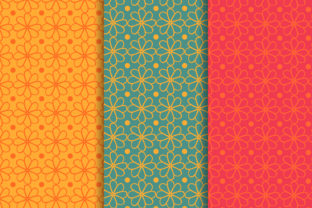
While the structure provides the framework, color dictates the emotional response. The most prevalent iteration of this pattern features pink and rose tones, leveraging cultural associations with spring, romance, and gentleness. However, the true strength of a vector template lies in its adaptability. Designers should evaluate color choices based on the intended application:
- Romantic and Vintage: Muted rose, dusty pink, and cream backgrounds evoke a retro, shabby-chic aesthetic suitable for wedding stationery and Valentine’s decor.
- Modern and Kids: Brighter magentas, teals, or high-contrast whites transform the same flower circle geometry into playful, energetic designs for children’s textiles or nursery wall art.
- Rustic and Natural: Incorporating sage greens, browns, and unbleached paper textures grounds the floral elements, making them appropriate for organic product packaging or farmhouse-style furniture upholstery.
Practical Applications Across Industries
The Flower Circle Pattern transcends simple decoration; it solves specific design problems across multiple sectors. Its circular nature implies unity, continuity, and focus, making it uniquely suited for applications where framing or central composition is required.
Fashion and Textile Design
In the fashion industry, ditsy florals are a perennial staple. When arranged in a circular motif, they serve as excellent placement prints for garments. Rather than an all-over repeat, a flower circle can be positioned centrally on a t-shirt, as a yoke detail on a dress, or as a decorative element on pocket linings. For textile manufacturers, having these designs in vector format allows for easy separation of colors during screen printing or adjustment of scale for different garment sizes. The small scale of the flowers ensures the pattern reads as a texture from a distance while revealing intricate hand-drawn details upon closer inspection.
Stationery and Digital Media
For graphic designers working on invitations, cards, and social media templates, the circular floral arrangement acts as a natural frame. It guides the eye toward the center, providing a dedicated space for typography without competing with the text. This is particularly valuable for wedding invitations and birth announcements, where the balance between ornamentation and readability is paramount. The vector nature of these assets means designers can easily adjust opacity or blend modes to create watercolor-like effects digitally, offering the look of traditional painting with the efficiency of modern software.
Interior Decor and Surface Design
Beyond paper and cloth, these patterns find life in hard goods. Wallpaper manufacturers utilize seamless variations of the flower circle to create accent walls that feel curated rather than chaotic. Similarly, furniture designers apply these textures to drawer liners, cabinet interiors, or upholstered headboards. In these contexts, the pattern serves as a decorative lining or secondary surface, adding value and perceived quality to functional items. The geometric underpinning of the circle helps organize the visual noise of the floral elements, preventing the design from feeling too busy when applied to large surfaces.
Evaluating Quality and Suitability
Not all floral vectors are created equal. When selecting a Flower Circle Pattern for professional use, creators must assess several technical and aesthetic factors to ensure the resource meets their needs. Rushing this evaluation phase often leads to production issues or generic-looking results.
- Node Efficiency: High-quality vectors should have optimized paths. Excessive anchor points can bloat file sizes and cause rendering issues in embroidery machines or laser cutters. Inspect the artwork in outline mode to ensure smooth curves and logical construction.
- Seamlessness and Tiling: If the circular pattern is intended to be part of a larger repeating background, verify that the edges align perfectly. Even standalone circles may need to tile if used for wrapping paper or fabric yardage.
- Style Consistency: Ensure the line weight and level of detail remain consistent throughout the design. A common flaw in lower-quality resources is the mixing of traced raster images with genuine vector paths, resulting in uneven edges when scaled.
- Customizability: True vector templates allow for element isolation. You should be able to move individual flowers, change specific colors, or remove background shapes without breaking the overall composition. Locked layers or flattened groups limit utility significantly.
Design Considerations and Limitations
While the Flower Circle Pattern is remarkably versatile, it is not a universal solution. Understanding its limitations prevents misuse. The circular format inherently creates corners of negative space when placed in rectangular layouts. Designers must plan how to treat these voids—whether by extending foliage, adding complementary geometric elements, or embracing the whitespace as a breathing room for content.
Additionally, the "cute" factor associated with small rose-colored flowers can sometimes undermine corporate or serious branding efforts. Context is everything. A ditsy floral vector might be perfect for a boutique bakery’s packaging but could appear out of place for a financial services newsletter unless heavily stylized or desaturated. Always consider the brand voice before applying decorative textures.
Finally, be mindful of print reproduction. Small, intricate details that look beautiful on screen may fill in or disappear when printed on textured paper or absorbent fabrics like linen. Always request a physical proof or test swatch when working with ditsy prints at small scales. What appears as a distinct petal in the digital file might merge into a solid blob in ink. Adjusting stroke widths and spacing specifically for the target substrate is a necessary step in translating digital art into tangible products.
Integrating Artistic Tradition with Modern Utility
The enduring popularity of the Flower Circle Pattern speaks to a broader trend in design: the desire for human touch in a digital world. These vectors represent a synthesis of hand-drawn tradition and technological convenience. They offer the warmth of watercolor painting and the nostalgia of vintage textiles, yet they function within the rigorous demands of modern manufacturing and digital publishing.
For the general consumer, business owner, or creative professional, these resources are more than just pretty pictures. They are functional tools that communicate specific emotions and aesthetics efficiently. By understanding the characteristics of ditsy prints, the importance of vector integrity, and the contextual applications of circular floral arrangements, users can elevate their projects from generic to exceptional. Whether adorning a child’s dress, framing a heartfelt message, or enhancing a living space, the thoughtful application of these patterns continues to bring the timeless beauty of bloom and blossom into our daily environments.