Evaluating Wooden Labels for Digital Design Projects
In the realm of digital crafting and graphic design, texture plays a pivotal role in establishing tone and authenticity. Wooden Labels represent a specific category of digital assets that bridge the gap between rustic, organic aesthetics and modern digital convenience. These are not physical objects but high-resolution digital representations designed to mimic the grain, weight, and warmth of real timber. For designers, scrapbookers, and card makers, understanding the utility and limitations of these assets is essential for making informed purchasing and implementation decisions. This evaluation explores the practical applications, technical considerations, and decision-making factors associated with using wooden label clip art in creative projects.
Defining the Asset Class
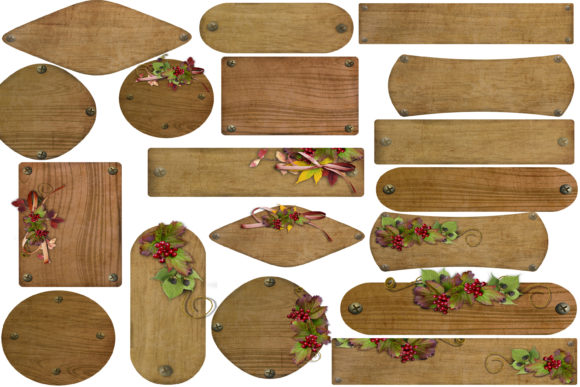
When evaluating Wooden Labels, it is important to distinguish them from standard vector shapes or flat illustrations. High-quality wooden label clip art typically consists of rasterized images captured or rendered to retain intricate surface details. A standard collection often includes 18 unique variations, providing enough diversity to prevent visual repetition in larger projects like photo albums or multi-page digital planners. The industry standard for these assets is 300 DPI (dots per inch), ensuring that the wood grain remains crisp when printed at physical dimensions between 6 and 9 inches. This size range is significant because it covers the majority of use cases for greeting cards, scrapbook embellishments, and product packaging mockups without resulting in unmanageable file sizes.
These assets frequently intersect with other design elements. It is common to find Floral wood labels where botanical elements are integrated directly into the timber texture, or separate Floral print art layered atop the wood base. This combination serves a dual purpose: the wood provides structural grounding and neutral warmth, while the floral elements introduce color and softness. Understanding this interplay helps designers select packs that offer cohesive stylistic integration rather than disjointed graphics.
Primary Use Cases and Applications
The decision to utilize Digital label assets usually stems from a need for specific textural contrast. In scrapbooking, wooden labels serve as excellent title anchors or journaling spots. Unlike plain white boxes, the wood texture adds depth to the page layout without competing with photographs. For card design, these labels function as focal points for sentiments. The natural irregularities in wood grain draw the eye organically, making text placed upon them feel more personal and handcrafted.
Beyond traditional crafting, Label clip art finds utility in commercial branding and packaging design. Small businesses selling handmade goods often use digital wooden labels on their tags, stickers, and social media templates to reinforce an artisanal brand identity. In this context, the asset acts as a visual shorthand for "natural," "organic," or "handmade." Background design also benefits from these elements; when used at lower opacity or blurred slightly, wooden textures can create warm, inviting backdrops for websites or digital invitations that avoid the sterility of solid colors.
Benefits of High-Resolution PNG Formats
The format of the asset dictates its versatility. Wooden Labels delivered as PNG files offer distinct advantages over JPEGs or vectors for this specific application. The primary benefit is transparency support. Real wood has irregular edges, knots, and splinters; a transparent background preserves these authentic characteristics, allowing the label to sit naturally over patterned paper, photos, or colored backgrounds without unsightly white bounding boxes. This layering capability is fundamental to digital collage and mixed-media art.
Resolution is another critical factor. Assets sized between 6 and 9 inches at 300 DPI provide a sweet spot for quality and performance. This resolution ensures that the micro-details of the Floral print art or wood pores remain sharp in print. Lower resolution assets may appear pixelated or muddy when scaled up for a standard greeting card, undermining the premium feel of the project. Conversely, excessively large files can slow down design software, making the 6-9 inch specification a practical balance for most desktop publishing workflows.
Tradeoffs and Technical Considerations
While Wood Label Clip Art offers significant aesthetic value, there are tradeoffs to consider. As raster images, they lack the infinite scalability of vector graphics. If a designer needs to create a large-format banner or billboard, a 9-inch PNG may lose fidelity when stretched beyond its native dimensions. Users must evaluate their maximum output size before committing to a raster-based wood label pack. Additionally, because these are pre-rendered textures, customization is limited compared to vectors. You cannot easily change the direction of the wood grain or alter the carved shape without advanced photo editing skills.
Color matching presents another challenge. Wood tones vary significantly—from cool grays to warm ambers. When integrating Floral wood label designs into a project with a strict color palette, the inherent colors of the wood may clash. Designers should verify whether the clip art pack includes neutral tones or if they possess the editing proficiency to adjust hue and saturation curves effectively. Furthermore, while 18 pieces provide variety, extensive projects may require multiple packs to avoid repetitive patterns, which increases cost and asset management complexity.
Situational Fit: When to Choose Wooden Labels
Wooden Labels are a strong fit when the project goal involves evoking nostalgia, nature, or craftsmanship. They excel in wedding stationery with rustic themes, autumnal greeting cards, heritage scrapbooking, and eco-friendly product branding. The texture communicates values that flat design cannot. If the target audience associates wood with quality and authenticity, these assets align perfectly with user expectations. They are also ideal for hybrid crafters who print digital elements to cut out physically; the 300 DPI specification ensures the printed result looks like real material rather than a photocopy.
The inclusion of Floral label variants specifically suits projects requiring a balance of masculine and feminine energies, or seasonal transitions like spring and fall. If a design feels too sterile or digital, adding a textured wood element grounds the composition. For users working in software like Photoshop, Affinity Photo, or Procreate, PNG wood labels integrate seamlessly into layer-based workflows, offering immediate textural enhancement without the need to generate complex noise filters or source physical materials for scanning.
When Alternatives Are Preferable
Despite their versatility, Wooden Labels are not universally applicable. For corporate tech branding, minimalist luxury design, or futuristic themes, wood textures can appear dated or incongruent. In these instances, clean vectors, metallic gradients, or glassmorphism effects are superior choices. If a project requires frequent resizing across vastly different media—from business cards to vehicle wraps—vector-based wood illustrations or procedural texture generation tools offer better scalability than fixed-size PNGs.
Additionally, if the budget is extremely constrained and the project is purely digital (screen-only), free low-resolution alternatives or CSS-generated textures might suffice. The investment in premium 300 DPI Digital label packs is justified primarily by print requirements and professional presentation. Hobbyists creating content solely for social media thumbnails may find that high-resolution print specs are unnecessary overhead. Evaluating the end medium is the most reliable method for determining whether premium wooden clip art is a necessary expenditure or an optional upgrade.
Making the Final Selection
Selecting the right Wood Label Clip Art requires assessing both technical specifications and artistic coherence. Buyers should inspect preview images at full zoom to verify grain detail and edge cleanliness. Ensure the pack includes a mix of plain wood and Floral print art variations if versatility is desired. Confirm the licensing terms allow for intended uses, particularly for commercial products. Ultimately, the value of these assets lies in their ability to save time while delivering professional-grade texture. By weighing resolution needs against project scope, designers can determine if a set of 18 high-quality PNGs aligns with their creative objectives and technical workflow.