Evaluating the Marsala Wedding Invitation Suite for DIY Floral Designs
Selecting wedding stationery often involves balancing aesthetic vision with technical feasibility and budget. For couples planning a floral, romantic wedding who possess intermediate design skills, the Marsala Wedding Invitation Suite presents a specific value proposition. This digital template collection offers a comprehensive set of print-ready assets in PSD format, distinguished by its hand-painted watercolor botanicals and deep, feminine color palette. However, like any DIY resource, it requires an honest assessment of its customization limits compared to fully bespoke design services or simpler drag-and-drop alternatives.
The Marsala Wedding Invitation Suite is best understood not merely as a graphic file, but as a structured design system. It targets users who want the high-end look of custom watercolor illustration without commissioning an artist from scratch. The suite’s distinctiveness lies in its hybrid nature: it combines rigid, hand-painted artistic elements with flexible typographic layers. Understanding this balance is essential for determining whether this specific suite aligns with your project requirements and technical comfort level.
Technical Specifications and Asset Completeness
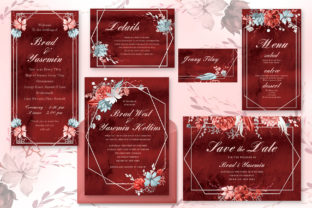
When comparing invitation templates, the breadth of included items often dictates the long-term utility of the purchase. Fragmented suites that only include an invitation and RSVP force designers to source matching elements elsewhere, risking visual inconsistency. The Marsala Wedding Invitation Suite addresses this by providing nine coordinated PSD files, creating a unified visual identity across all touchpoints.
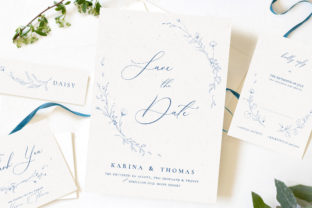
- Main Invitation (5 x 7): The primary anchor piece featuring the core watercolor branch arrangement.
- RSVP Card (5 x 3.5): Sized for standard response envelopes with editable text fields.
- Information Card (5 x 3.5): Accommodates venue details, accommodation info, or registry links.
- Save The Date (7 x 5): A larger format allowing the botanical artwork to serve as the focal point.
- Menu (3.5 x 6): Vertical orientation suitable for place settings or buffet displays.
- Program (4 x 8): Tall format designed for ceremony orders of service.
- Thank You Card (6 x 4): Standard postcard size for post-wedding correspondence.
- Table Number (4 x 6): Coordinated signage for reception tables.
- Place Card (3.5 x 2): Small-format tent cards for individual seating assignments.
From a production standpoint, these files are configured for professional printing rather than home use. They operate at 300 DPI in CMYK color mode, which is the industry standard for offset and digital commercial printing. Crucially, the files include a bleed area of 0.125 inches on all sides (totaling 0.25 inches added to dimensions). Many entry-level templates neglect bleed settings, leading to white borders after trimming. The inclusion of proper bleed margins in this suite indicates it is intended for users who plan to utilize professional print vendors rather than consumer-grade inkjet printers.
Customization Capabilities and Artistic Constraints
The most critical factor in evaluating this suite is understanding the distinction between editable and modifiable elements. While marketing materials often use these terms interchangeably, they represent different workflows in Photoshop.
Fully Editable Typography
All text layers within the Marsala Wedding Invitation Suite are fully editable. Users can change wording, font families, sizes, tracking, and colors without restriction. The suite includes download links for all featured fonts in a zip folder, ensuring that the typography renders correctly upon opening. This 100% free font licensing removes a common hidden cost associated with premium templates, where users must separately purchase commercial licenses for typefaces. For couples whose primary personalization needs are textual, this flexibility is sufficient.
Limited Watercolor Modification
The botanical illustrations are hand-painted, which provides an organic texture that vector graphics cannot replicate. However, this also imposes limitations. These raster layers are not fully editable; you cannot move individual leaves, reshape branches, or erase specific blooms. Customization is restricted to hue adjustments via Photoshop’s adjustment layers.
This constraint is significant when comparing against fully illustrated custom commissions or vector-based kits. If your wedding flowers are peonies but the template features eucalyptus, you cannot swap them. You can shift the green tones to be warmer or cooler, or tint the marsala accents to match a specific swatch, but the fundamental composition remains static. Buyers must evaluate whether the existing botanical arrangement complements their floral plans before purchasing, as structural changes are not feasible.
Comparing DIY PSD Templates to Alternative Solutions
To make an informed decision, it is helpful to position the Marsala Wedding Invitation Suite against other common stationery approaches. Each option serves different user profiles based on skill, budget, and time.
Versus Online Design Platforms
Browser-based design tools offer ease of use and integrated printing but often lack true CMYK color management and bleed control. They typically use flattened or simplified graphics that may appear pixelated in large formats. The Marsala PSD suite offers superior print fidelity and layer control, making it better suited for those prioritizing professional output quality over convenience. However, it requires Adobe Photoshop proficiency, whereas browser tools have near-zero learning curves.
Versus Custom Stationery Designers
Hiring a designer guarantees unique artwork tailored to specific wedding florals and unlimited revisions. The tradeoff is cost (often $2,000–$5,000+) and longer timelines. The Marsala suite occupies a middle ground: it delivers cohesive, artist-created aesthetics at a fraction of custom pricing but sacrifices exclusivity and structural customization. It is ideal for couples who love the marsala/watercolor aesthetic "as is" but cannot justify bespoke fees.
Versus Other Digital Template Marketplaces
Many marketplace templates use stock vectors or AI-generated imagery. Hand-painted watercolor distinguishes this suite through authentic brushwork and pigment variation. When comparing, examine sample files closely for texture authenticity. Additionally, verify that competing suites include full day-of coordination items (menus, programs, place cards), as many focus solely on pre-wedding stationery.
Determining Fit: When This Suite Is Appropriate
The Marsala Wedding Invitation Suite is not universally applicable. Its suitability depends on specific alignment between product characteristics and user circumstances.
Ideal Use Cases:
- Couples hosting floral, romantic, or vintage-themed weddings where the marsala and green palette naturally complements décor.
- Users with intermediate-to-advanced Photoshop skills who understand smart objects, layer management, and print preparation.
- Budget-conscious planners who want professional-grade stationery without custom design fees.
- Those needing a complete, coordinated suite rather than piecemeal items.
- Print buyers working with professional vendors who require CMYK files with proper bleeds.
Situations Requiring Alternatives:
- Weddings with specific floral motifs not represented in the existing botanical artwork.
- Users uncomfortable with Photoshop or lacking access to the software.
- Couples requiring structural layout changes beyond text and color adjustments.
- Those planning to print at home without bleed-capable equipment.
- Minimalist or modern aesthetic preferences that conflict with the romantic watercolor style.
Practical Considerations for Implementation
If proceeding with this suite, several practical factors warrant attention. First, verify font installation before beginning layout work; missing fonts will trigger substitution warnings and alter spacing. Second, test hue adjustments on duplicate layers to preserve original artwork. Third, confirm final trim sizes with your printer before exporting, as some vendors have specific bleed requirements that differ from the included 0.125-inch standard.
Additionally, consider the timeline implications of DIY. While templates accelerate design, they still require proofreading, file preparation, vendor communication, and potential revision cycles. Allocate adequate time for these steps, particularly if you are new to preparing print-ready PSD files. The Marsala Wedding Invitation Suite provides robust foundational assets, but successful execution ultimately depends on user competency and realistic expectations regarding what template-based design can achieve.