Evaluating Business Card Decorative Design Template 9 for Vintage and Oriental Aesthetics
Selecting the right visual identity assets requires balancing aesthetic appeal with practical usability. For professionals and designers exploring vintage or oriental design languages, Business Card Decorative Design Template 9 presents a specific solution tailored to ornamental and floral styles. Unlike generic modern layouts, this template focuses on intricate detailing and traditional motifs. Understanding its distinct characteristics, file specifications, and appropriate use cases is essential for determining whether it aligns with your current branding needs or if an alternative approach would be more effective.
Defining the Aesthetic and Functional Scope
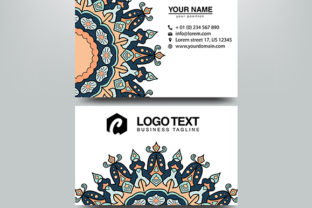
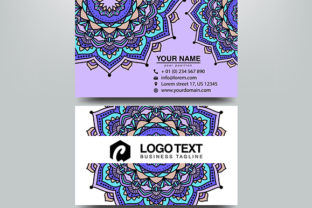
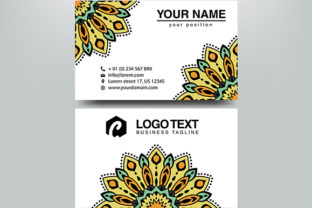
Business Card Decorative Design Template 9 is characterized by its integration of vintage decorative elements and oriental patterns. The design prioritizes ornamentation over negative space, utilizing floral motifs and complex line work to create a sense of heritage and craftsmanship. This distinguishes it from contemporary minimalist templates that rely heavily on whitespace and sans-serif typography. The template serves as a foundational layer for brands that need to communicate tradition, luxury, or cultural specificity without commissioning custom illustration work from scratch.
The resource includes two primary file formats: one EPS (Encapsulated PostScript) file and one JPG file. This combination addresses different stages of the design workflow. The EPS file provides the vector-based master necessary for professional printing and extensive customization, while the JPG serves as a high-resolution preview or a quick digital reference. For users evaluating this asset, it is important to recognize that the value lies primarily in the editable vector source. The JPG is supplementary; the EPS is where the actual utility exists for producing print-ready business cards or invitations.
Customization Capabilities and Workflow
A key selling point for this template is its ease of customization, but this claim should be understood within the context of vector editing software. "Easy to use" in this domain means that the layers are logically organized, paths are clean, and colors are globally swatched. Users familiar with Adobe Illustrator or CorelDRAW will find that modifying the oriental patterns or adjusting the floral density is straightforward. However, for those accustomed only to drag-and-drop web tools like Canva, working with an EPS file may present a learning curve.
- Vector Scalability: Because the design is vector-based, the ornamental details remain crisp at any size, making it suitable for both standard business cards and larger invitation formats.
- Color Management: The template typically uses spot colors or global swatches, allowing for rapid palette changes to match specific brand guidelines without manually recoloring individual elements.
- Element Isolation: Decorative components are usually grouped separately from text placeholders, enabling designers to remove or rearrange flourishes without disrupting the information hierarchy.
Comparing Template 9 Against Alternative Styles
When researching business card resources, it is helpful to compare Business Card Decorative Design Template 9 against other prevalent categories to assess fit. The market generally offers three main alternatives: modern corporate minimalism, photorealistic templates, and hand-drawn artisanal styles.
Compared to modern corporate templates, Template 9 sacrifices immediate readability for atmospheric depth. Minimalist designs excel at conveying information quickly and reproducing cheaply via digital presses. In contrast, the dense patterns in this vintage template may require higher quality paper stock or specialized printing techniques to render correctly. If your primary goal is utilitarian clarity for a tech startup or financial consultancy, this ornamental style might introduce unnecessary visual noise.
Against photorealistic or texture-heavy templates, Template 9 offers superior editability. Raster-based vintage templates often use flattened images of aged paper or ink splatters. While visually striking, these are difficult to modify beyond simple color overlays. Business Card Decorative Design Template 9, being fully vector, allows you to change the fundamental shape of the oriental patterns or the species of the floral elements. This makes it a better long-term asset for brands that anticipate evolving their visual identity while maintaining a consistent thematic core.
Finally, when compared to custom hand-lettering or bespoke illustration, this template represents a cost-effective middle ground. Custom work offers uniqueness but comes with significant time and financial investment. Template 9 provides a professional baseline that can be customized sufficiently to avoid looking generic, bridging the gap between premium bespoke design and budget stock assets.
Strengths and Ideal Use Cases
The strengths of Business Card Decorative Design Template 9 are most apparent in industries where heritage, artistry, and personal touch are valued. The following scenarios represent high-fit applications:
- Cultural and Heritage Brands: Businesses focused on Asian cuisine, traditional medicine, tea culture, or historical tourism will find the oriental patterns culturally resonant and aesthetically appropriate.
- Luxury Personal Services: Wedding planners, florists, and boutique event coordinators benefit from the floral ornamental elements, which signal attention to detail and romantic sophistication.
- Artisan Products: Makers of handmade jewelry, pottery, or textiles can use the vintage decorative elements to reinforce the handcrafted nature of their goods.
- Dual-Purpose Stationery: Because the design balances decoration with structure, it transitions effectively from business cards to formal invitations or thank-you notes, providing consistency across touchpoints.
Limitations and Decision Factors
No single template suits every project. Recognizing the limitations of Business Card Decorative Design Template 9 prevents frustration during implementation. The complexity of the design is its greatest asset but also its primary constraint.
Print Production Considerations: Intricate oriental patterns and fine floral lines can be challenging for low-resolution digital printing. Thin vectors may break up or disappear if not set to an appropriate stroke weight. Users must verify their printer’s capabilities or be prepared to adjust line thicknesses in the EPS file. Additionally, full-coverage decorative backgrounds consume more ink, potentially increasing per-unit costs compared to white-space dominant designs.
Typography Pairing Challenges: The ornate nature of the background demands careful typeface selection. Highly decorative fonts paired with this template can result in illegibility. Users often need to source complementary serif or clean sans-serif typefaces that provide sufficient contrast against the busy background. This adds a typographic decision layer that simpler templates do not require.
Brand Tone Alignment: The vintage aesthetic carries specific connotations of nostalgia and tradition. For brands positioning themselves as futuristic, disruptive, or ultra-modern, this template creates cognitive dissonance. Even with color adjustments, the underlying geometry of oriental and floral patterns reads as classical. It is crucial to evaluate whether "vintage" supports or undermines your strategic messaging.
Making the Final Selection
Deciding whether to download Business Card Decorative Design Template 9 ultimately depends on your technical capacity and brand alignment. If you possess intermediate vector editing skills and your brand narrative benefits from ornamental richness, this template offers excellent value. The inclusion of both EPS and JPG files ensures you have the necessary assets for both development and presentation phases.
However, if you lack access to vector software or require a design that communicates modern efficiency over traditional elegance, exploring minimalist or corporate-focused alternatives would be more prudent. Similarly, if your printing budget is strictly limited to basic digital runs, the intricate details of this template may not reproduce satisfactorily, suggesting a need for bolder, simpler graphics.
By weighing these factors—technical requirements, print logistics, brand tone, and comparative alternatives—you can determine if this specific decorative template serves as the right foundation for your stationery system. The goal is not merely to acquire a visually pleasing file, but to secure a functional design asset that supports your broader communication objectives efficiently and effectively.