Evaluating Ramadan Mubarak Calligraphy with Lantern Imagery
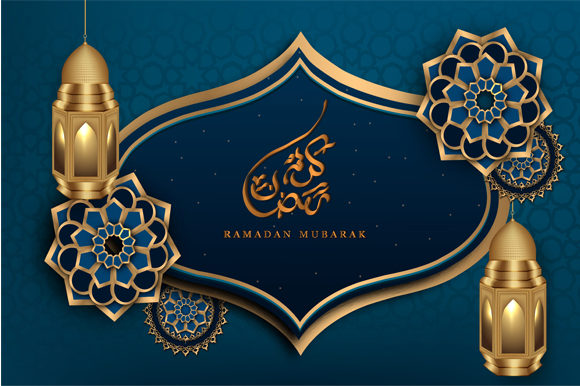
Ramadan Mubarak calligraphy with lantern imagery represents a specific intersection of religious tradition, cultural symbolism, and graphic design. This visual motif combines the spiritual greeting "Ramadan Mubarak" rendered in artistic Arabic script with the iconic representation of the fanoos (lantern). For designers, community organizers, and individuals seeking to create meaningful content for the holy month, understanding the nuances of this specific aesthetic is essential. It serves as more than mere decoration; it functions as a visual language that communicates respect, celebration, and religious observance. Evaluating whether this traditional style aligns with your specific communication goals requires an analysis of its cultural weight, design versatility, and practical application across various media.
Defining the Visual Motif and Cultural Significance
To effectively select or commission artwork featuring Ramadan Mubarak calligraphy with lantern elements, one must first understand what constitutes authentic representation. The calligraphy itself is rarely standard typography; it typically employs classical scripts such as Thuluth, Diwani, or Naskh. These styles are chosen for their fluidity and historical association with Islamic art. The lantern, often depicted with intricate arabesque patterns or geometric cutouts, symbolizes light, guidance, and the festive atmosphere unique to Ramadan nights. When combined with floral motifs, crescent moons, or mosque silhouettes, the composition creates a holistic narrative of the occasion.
This combination is deeply rooted in Muslim culture, particularly within Arab and South Asian traditions where the lantern is a primary symbol of Ramazan celebrations. However, the interpretation varies. A vector illustration with clean lines and white space suggests a modern, minimalist approach suitable for digital interfaces. Conversely, a textured paper background with gold foil effects evokes a traditional, tactile feel appropriate for physical greeting cards. Recognizing these stylistic distinctions helps ensure the selected imagery resonates with the intended audience rather than appearing generic or culturally disconnected.
Primary Use Cases and Strategic Fit
The decision to utilize Ramadan Mubarak calligraphy with lantern graphics should be driven by the specific context of the message. This visual style is exceptionally strong for community-focused and religious communications. Mosques, Islamic centers, and charitable organizations often find this aesthetic ideal because it immediately signals reverence and tradition. For Eid announcements, iftar invitations, or daily prayer schedules during the holy month, the familiar pairing of text and lamp provides instant recognition and emotional connection.
In commercial contexts, such as retail marketing or corporate greetings, this imagery serves to demonstrate cultural competence and inclusivity. Brands targeting Muslim consumers during the festival season benefit from using high-quality, respectful illustrations that honor the religious nature of the month. A well-executed banner or poster featuring traditional calligraphy can bridge the gap between commercial intent and genuine holiday wishes. Furthermore, for personal use, such as crafting homemade cards or decorating social media posts, this style offers a timeless elegance that avoids the fleeting trends of secular holiday design.
Digital vs. Print Considerations
When evaluating assets, consider the final medium. Vector-based designs are indispensable for large-format printing like posters and banners, ensuring crisp edges on the intricate calligraphy and lantern details. For web and mobile backgrounds, optimized raster images with appropriate contrast ratios are necessary to maintain readability of the Arabic text against decorative elements. The complexity of arabesque patterns can sometimes cause visual noise on small screens, necessitating a simplified version of the artwork for digital ads versus printed stationery.
Benefits and Advantages of Traditional Imagery
Selecting established Ramadan Mubarak calligraphy with lantern themes offers several distinct advantages over abstract or purely typographic alternatives:
- Immediate Cultural Recognition: The fanoos and specific calligraphic styles act as universal signifiers within the Muslim world, reducing the cognitive load required to understand the message.
- Emotional Resonance: Traditional art styles evoke nostalgia and spiritual warmth, enhancing the sincerity of greetings and wishes.
- Versatility: The motif adapts well to various color palettes. While green and gold are traditional, white and silver variations offer a contemporary, clean aesthetic suitable for modern branding.
- Decorative Functionality: Beyond conveying text, these illustrations serve as standalone decorative elements that enhance the visual appeal of empty spaces in layouts.
Tradeoffs and Limitations
Despite its popularity, this specific visual style presents certain tradeoffs that must be weighed during the selection process. The primary limitation is ubiquity. Because Ramadan Mubarak calligraphy with lantern imagery is the default standard, it risks appearing generic if not executed with high craftsmanship. Low-effort clip art can inadvertently signal a lack of genuine engagement with the occasion. Additionally, highly ornate traditional designs may clash with ultra-modern brand identities or minimalist UI frameworks, creating visual dissonance.
Another consideration is regional specificity. While the lantern is widely recognized, certain calligraphic styles or lantern shapes are specific to Egypt, Turkey, or Indonesia. Using a distinctly Egyptian fanoos style for an event in Southeast Asia might feel subtly out of place to local audiences. Furthermore, complex calligraphy can pose accessibility challenges; if the artistic rendering makes the text illegible to those less fluent in Arabic script, the functional purpose of the greeting is compromised.
Evaluating Alternatives
There are specific scenarios where alternatives to the traditional lantern and calligraphy motif may be more effective. If the goal is to emphasize universal spirituality over cultural tradition, abstract geometric patterns or light-based photography without explicit religious iconography might be preferable. For youth-oriented campaigns or tech-forward brands, modern typography paired with solid colors or 3D renders may align better with the audience's aesthetic expectations than vintage-style illustrations.
Additionally, when space is severely limited, such as in app icons or favicons, the detailed interplay of calligraphy and lantern is often lost. In these instances, a simplified crescent moon or a single stylized letter may communicate the theme more effectively at small scales. Evaluators should test thumbnails of traditional designs to ensure clarity before committing to them for multi-platform campaigns.
Practical Decision-Making Criteria
To determine if Ramadan Mubarak calligraphy with lantern imagery is the correct choice, apply the following evaluation framework:
- Audience Alignment: Does the target demographic value traditional expression, or do they prefer contemporary reinterpretations? Older generations and conservative communities typically favor classic styles.
- Message Tone: Is the communication formal and reverent, or casual and playful? Traditional calligraphy suits formal greetings, while illustrated cartoons suit children’s content.
- Technical Quality: Is the vector work clean? Are the Arabic ligatures grammatically and artistically correct? Avoid assets where letters are disconnected or shaped incorrectly for the sake of fitting a lantern frame.
- Cultural Accuracy: Verify that the lantern style and calligraphy match the cultural context of the recipient or event location.
- Licensing and Ethics: Ensure the artwork is sourced ethically. Supporting artists from Muslim-majority cultures or specialized Islamic art platforms often yields more authentic results than generic stock libraries.
Ultimately, the decision to use Ramadan Mubarak calligraphy with lantern imagery should stem from a desire to connect authentically with the spirit of the month. When selected with attention to detail, cultural context, and technical quality, this enduring visual tradition remains one of the most effective ways to convey happy wishes and religious respect during the holy occasion. By carefully weighing the benefits of tradition against the needs of modern communication, creators can produce visuals that are both aesthetically beautiful and culturally meaningful.