Elevating Creative Projects with a Pink Tulip Flower Wreath Watercolor Design
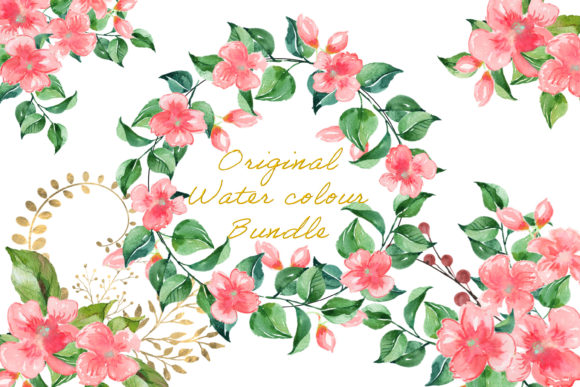
There is a distinct softness to watercolor art that digital vectors and stock photography often fail to capture. When planning a wedding, designing stationery, or embarking on a personal crafting journey, the texture and organic flow of hand-painted elements bring a sense of authenticity and warmth. The Pink Tulip Flower Wreath stands out in this category as a versatile design element that bridges the gap between traditional botanical illustration and modern digital convenience. Unlike rigid clip art, this specific floral arrangement offers the delicate transparency and pigment variation characteristic of real watercolor, making it an ideal centerpiece for invitations, apparel, and memory-keeping projects.
The Practical Advantage of Transparent PNG Files
For designers and DIY enthusiasts alike, file format dictates usability. While JPEGs are common for web use, they come with a white box background that requires tedious editing to remove. This Pink Tulip Flower Wreath is provided in a high-resolution PNG file format with a transparent background. This technical specification is not merely a detail; it is the primary feature that unlocks creative freedom.
A transparent background allows you to layer the wreath over any surface without visual conflict. You can place it atop a textured linen background for a vintage invitation, overlay it on a solid pastel color for a modern announcement, or even position it over a photograph of the couple or venue. This layering capability mimics the experience of working with physical stickers or transfers but with the precision of digital design software. Whether you are using professional tools like Adobe Photoshop and Illustrator or accessible platforms like Canva and Cricut Design Space, the transparent PNG ensures the pink tulips integrate seamlessly into your composition without jagged edges or unwanted white borders.
Defining the Aesthetic of Spring Weddings
Tulips are universally recognized as harbingers of spring, symbolizing perfect love, rebirth, and elegance. However, the specific choice of pink tulips adds a layer of nuance to wedding stationery. Pink tones range from blush to magenta, carrying connotations of affection, caring, and good wishes without the intense formality of red roses or the starkness of white lilies.
Incorporating this wreath into wedding party invitations sets an immediate tone for the event. It suggests a celebration that is romantic yet relaxed, refined but approachable. Because watercolor pigments naturally bleed and blend, the artwork avoids looking sterile or mass-produced. This is particularly valuable for couples seeking a "garden party" or "botanical chic" theme. The wreath acts as a framing device, guiding the eye toward the central text while providing enough negative space in the center for names, dates, and venue details. Its circular shape also implies unity and eternity, subtle thematic undercurrents that resonate deeply in matrimonial contexts.
Versatility Across Wedding Stationery Suites
The utility of this design extends far beyond the initial invitation. Consistency is key in wedding branding, and a single high-quality asset can anchor an entire suite:
- Save the Dates: Use the wreath as a border to frame a photo or minimalist typography.
- RSVP Cards and Envelopes: Scale down the wreath to serve as a return address embellishment or a decorative stamp alternative.
- Menu and Place Cards: Position the wreath at the top of table settings to tie the dining experience back to the paper goods.
- Thank You Notes: Post-wedding gratitude cards benefit from the same floral motif, creating a cohesive narrative from start to finish.
Beyond Paper: Apparel, Souvenirs, and Merchandise
Modern crafting workflows often blur the lines between digital design and physical production. The high resolution of this Pink Tulip Flower Wreath makes it suitable for print-on-demand applications and personalized merchandise. Watercolor textures translate beautifully to fabric because the slight imperfections and grain mimic dye absorption rather than plastic ink sitting on top of fibers.
Consider the creation of bridal party souvenirs. Tote bags, robes, or handkerchiefs featuring this wreath feel artisanal rather than commercial. For clothing, the design works exceptionally well on light-colored fabrics where the pinks and greens can maintain their vibrancy. Crafters utilizing sublimation printing or direct-to-garment (DTG) technology will find that the transparent background eliminates the need for weeding vinyl or dealing with heavy transfer sheets. The result is a soft-hand print that retains the breathable quality of the garment.
This adaptability also applies to non-textile souvenirs. Acrylic signage, wooden coasters, and ceramic mugs all benefit from the organic shape of the wreath. The irregular edges of the watercolor leaves and petals prevent the design from looking like a sticker slapped onto a hard surface; instead, it appears as though the flowers were painted directly onto the object.
Enhancing Scrapbooking and Memory Keeping
While digital design dominates commercial applications, the tactile world of scrapbooking remains a vital outlet for preserving memories. Digital assets like this wreath have revolutionized hybrid scrapbooking, where creators combine printed photos with digital embellishments.
When used in scrapbooking, the Pink Tulip Flower Wreath serves multiple functional purposes. It can act as a photo frame, softening the hard rectangular edges of a snapshot. It can function as a journaling spot, where the open center provides lined or blank space for handwritten notes or typed captions. Furthermore, it works as a visual connector, linking two separate photos or pages together through its curving organic lines.
Because the file is digital, crafters can experiment without waste. You can adjust the opacity to create a subtle watermark effect behind text, or increase saturation to make the flowers pop against a dark page layout. This flexibility encourages experimentation, allowing memory keepers to customize the intensity of the floral element to match the mood of specific photographs.
Integrating Quotes and Typography
Floral wreaths are inherently typographic companions. The negative space within the Pink Tulip Flower Wreath is designed specifically to house text. However, pairing watercolor with fonts requires careful consideration to maintain balance.
The organic, fluid nature of watercolor pairs best with typefaces that share similar characteristics. Elegant scripts, serif fonts with varying stroke widths, and hand-lettered styles complement the brushwork of the tulips. Conversely, rigid geometric sans-serifs can sometimes clash with the softness of the petals unless used intentionally for contrast. When placing quotes inside the wreath, ensure the text color harmonizes with the dominant hues of the flowers. Deep greens, dusty pinks, or charcoal greys often work better than pure black, which can appear too harsh against the translucent watercolor washes.
This combination is particularly effective for social media graphics, inspirational wall art, and greeting cards. The wreath draws attention to the message, while the flowers provide emotional context. A quote about growth, love, or new beginnings takes on greater resonance when cradled by blooming tulips.
Considerations for Optimal Usage
To maximize the value of this digital asset, users should keep a few practical factors in mind during their workflow. First, always verify the resolution before printing. While PNGs are excellent for screen use and small-format printing, large-scale applications like banners or oversized posters require sufficient pixel density to avoid pixelation. Since watercolor relies on fine gradients, low-resolution files will show banding or blurriness that detracts from the artistic quality.
Secondly, consider color management. Screens display colors in RGB (light), while printers use CMYK (ink). Watercolor pinks can sometimes shift during conversion. It is advisable to perform a test print on your intended paper stock or fabric before committing to a full production run. Different papers absorb ink differently; matte watercolor paper will enhance the artistic feel, while glossy cardstock may make the design appear more vibrant but less textured.
Finally, respect the integrity of the artwork. While digital manipulation is expected, over-saturating or applying heavy filters can destroy the delicate watercolor aesthetic. The beauty of this Pink Tulip Flower Wreath lies in its subtlety and natural variation. Treat it as a premium artistic element rather than generic clip art, and it will elevate every project it touches, from the most formal wedding invitation to the most intimate scrapbook page.